JAPANAN 日本語
Native Speaker Kanji Series

4 strokes
月 (moon)
Core Meaning
moon · month
つき(名)
音読み On-yomi
ゲツ・ガツ
- 月曜日げつようびMonday
- 一月いちがつJanuary
- 来月らいげつnext month
訓読み Kun-yomi
つき
- 月つきmoon / month
- 月見つきみmoon viewing
- 毎月まいつきevery month
Etymology — pictographic origin
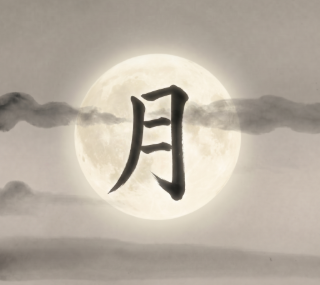 origin
Memory Hook
Tilt 月 slightly and see the crescent moon. ゲツ = get some moonlight! つき — the moon rises at night and つき (tsu-ki) feels like it glides up.
Writing Practice — tap to watch, trace, or quiz yourself
Touch Practice
Tap Watch to see the stroke order, or Practice to write 月 from memory.
Exercises
✦ Reading — write how to read the highlighted kanji
1
こんばんの月はあかるいです。
Tonight's moon is bright.
2
月ようびにでかけます。
I will go out on Monday.
✦ Writing — write the correct kanji in the blank
3
きれいながみえます。
I can see a beautiful moon.
4
なんにうまれましたか。
What month were you born in?
文化ノート
Cultural Note
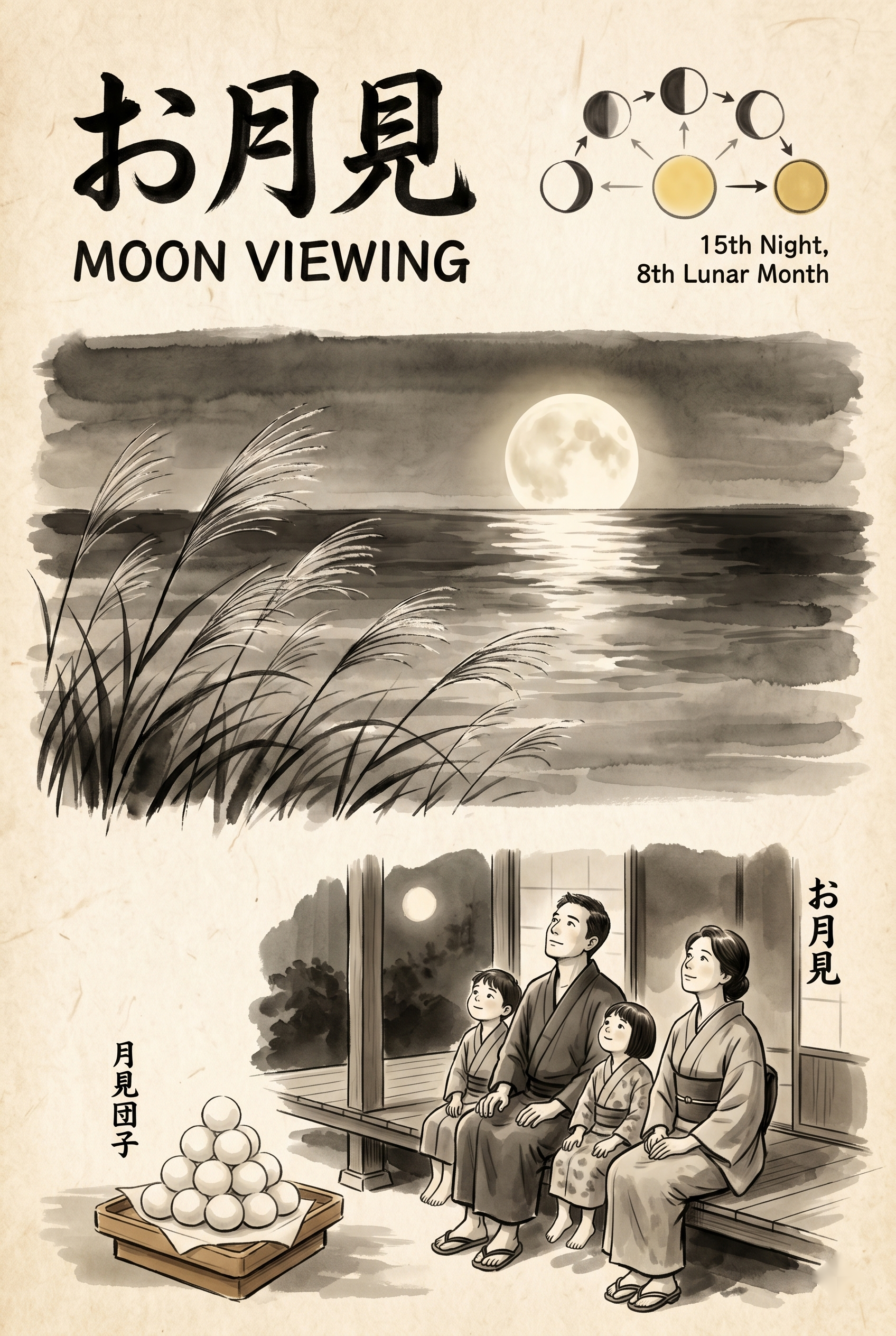
お月見 — moon-viewing
お月見 is a beloved autumn tradition on the 15th night of the 8th lunar month. Families gather outside, decorate with pampas grass (すすき), and eat 月見団子 — round white rice dumplings shaped like the full moon.
おつきみ
つきみだんご
すすき
Native Speaker's NoteWhat your textbook won't tell you
①
ゲツ vs ガツ — Use ゲツ for days of the week (月曜日・げつようび) and standalone compounds. Use ガツ for month numbers: 一月 (いちがつ) = January.✓ 月曜日(げつようび) ✓ 一月(いちがつ)
②
The weekdays are named after the cosmos — The 7 days of the week are named after the sun, moon, and five classical elements: 日・月・火・水・木・金・土. You are learning all seven kanji in this book. Once you finish Part 1, you will be able to read every single day of the week in Japanese.にち · げつ · か · すい · もく · きん · ど
Ready to claim 月?
Tap below to save your progress and return to the index.
© JAPANAN · japananjapanesetutoring.com · Personal study use only
N5 Kanji · 月 · Sheet 5 of 110