JAPANAN 日本語
Native Speaker Kanji Series

5 strokes
田 (rice field)
Core Meaning
rice field · paddy
た(名)
音読み On-yomi
デン
- 田園でんえんrural area
- 水田すいでんpaddy field
- 油田ゆでんoil field
訓読み Kun-yomi
た
- 田たrice field
- 田んぼたんぼpaddy field
Etymology — pictographic origin
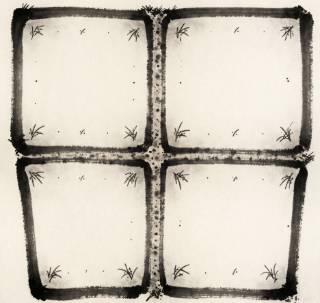 origin
Memory Hook
A hashtag shape 田 = the paths between rice paddies. デン sounds like "den" — your rice den (田) keeps you fed!
Writing Practice — tap to watch, trace, or quiz yourself
Touch Practice
Tap Watch to see the stroke order, or Practice to write 田 from memory.
Exercises
✦ Reading — write how to read the highlighted kanji
1
あの田はみどりです。
That rice field is green.
2
山と川と田がみえます。
I can see mountains, rivers, and rice fields.
✦ Writing — write the correct kanji in the blank
3
このんぼはひろいです。
This rice paddy is wide.
4
えんがすきです。
I like the countryside.
文化ノート
Cultural Note
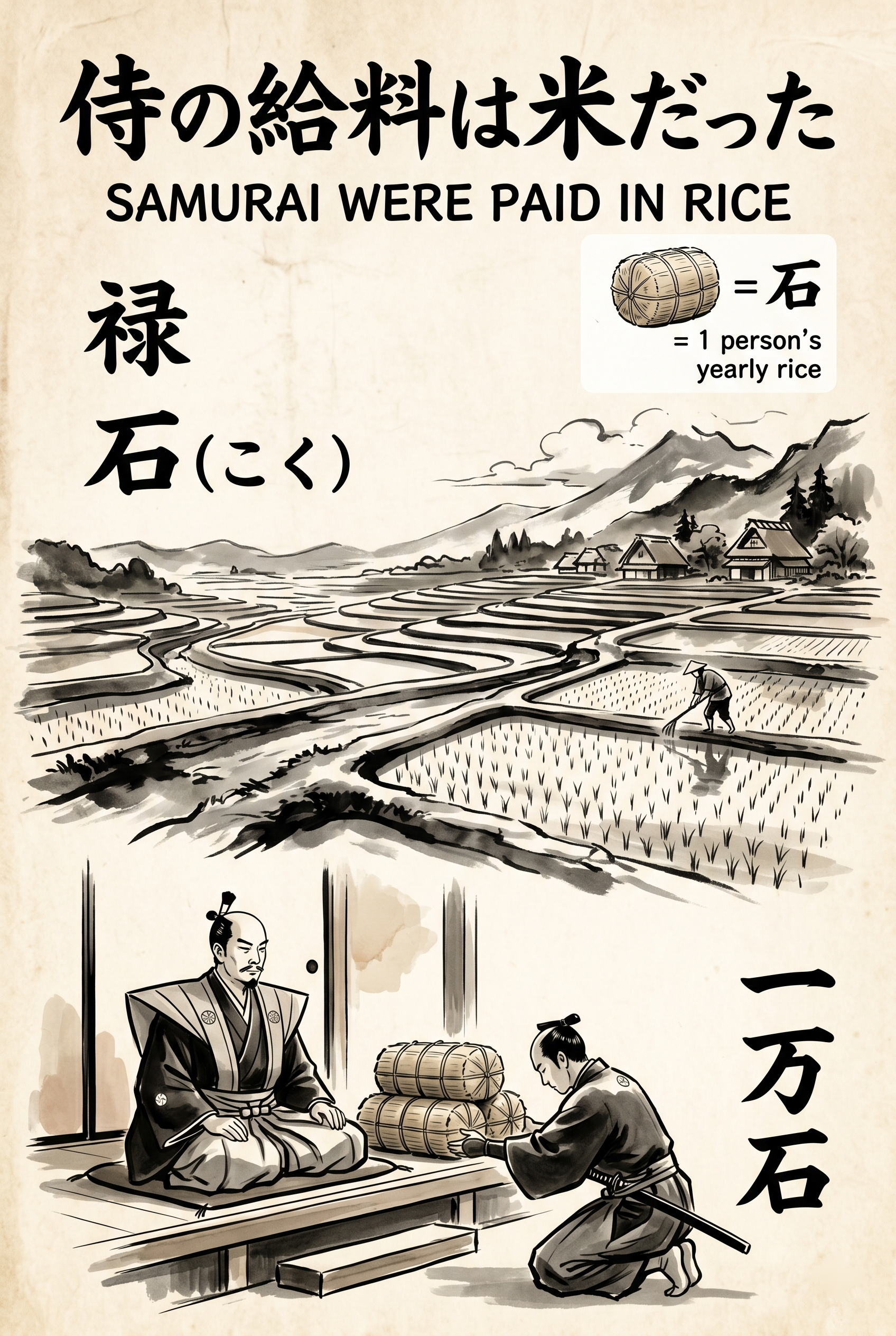
Samurai were paid in rice
A samurai's salary (禄) was measured in 石 (こく) — the rice one person eats per year. Power came not from gold but from paddies (田). 一万石 meant commanding 10,000 people's worth of rice.
ろく · salary
こく · rice unit
いちまんごく · 10,000 koku
Native Speaker's NoteWhat your textbook won't tell you
①
田 is the ultimate surname kanji — While 山 and 川 are frequent in surnames, 田 beats them both — it appears in more family names than almost any other single kanji in Japan. 田中 (たなか) alone is the second most common surname in the entire country, held by over 1.3 million people.たなか · やまだ · よしだ · うえだ · まつだ
②
たんぼ vs すいでん — たんぼ is the everyday word for a flooded rice paddy. すいでん is the formal/technical term used in maps and official documents.✓ たんぼ (casual) ✓ 水田(すいでん) (formal)
Ready to claim 田?
Tap below to save your progress and return to the index.
© JAPANAN · japananjapanesetutoring.com · Personal study use only
N5 Kanji · 田 · Sheet 3 of 110